October 21, 2026 · BB Team
What to Eat and Do in Jujo Ginza — A Guide to One of Tokyo's Best Neighborhood Shopping Streets
Guest guide · #Jujo #Tokyo food #shopping street #Kita City
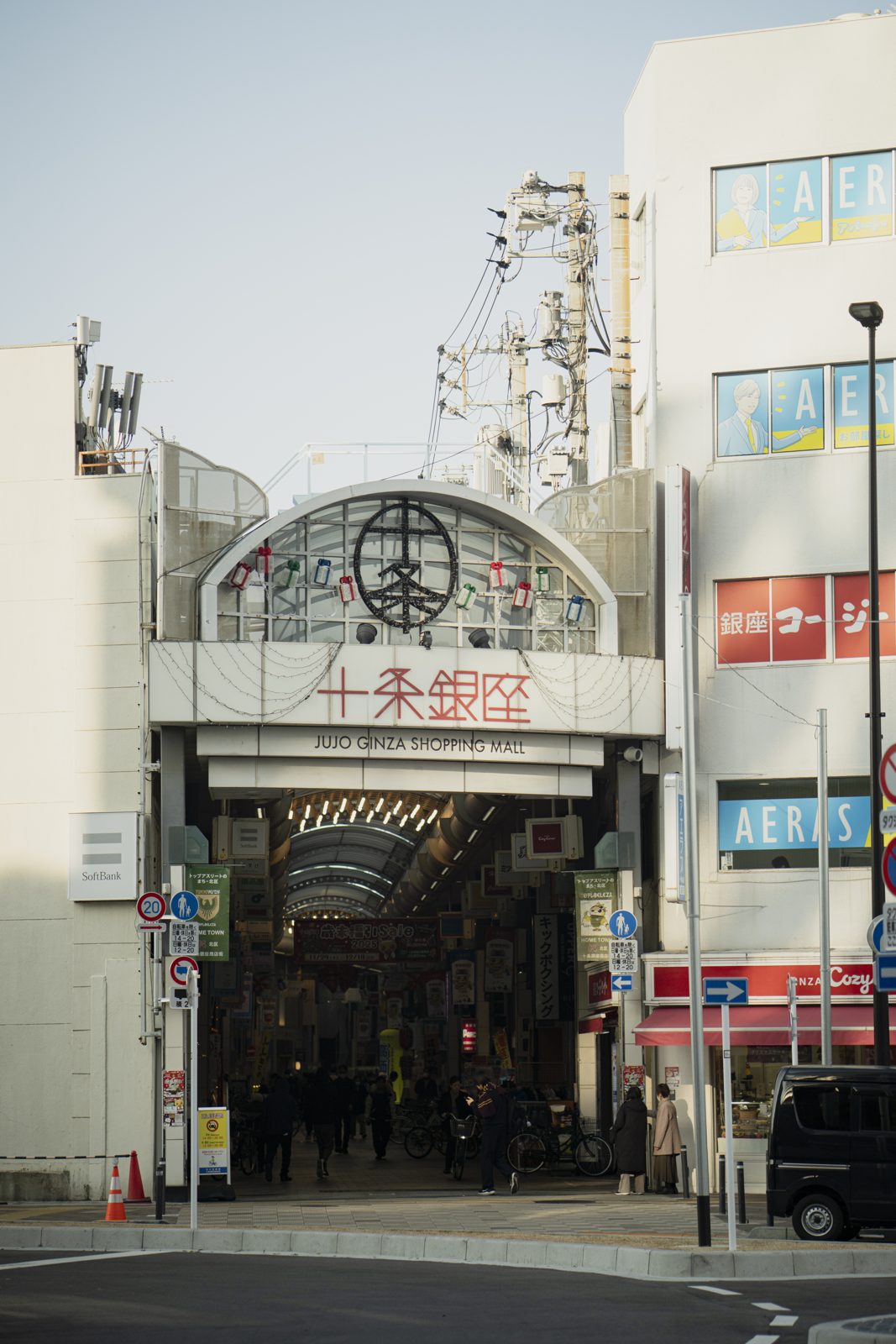
Have you heard of Jujo Ginza?
Jujo Ginza is a shopping street about 520 m long that starts right outside the north exit of JR Jujo Station. More than 200 shops line its arcade-covered Central Street and its East and West streets (Mynavi News). It is often counted among Tokyo’s “three great Ginza shopping streets,” along with Togoshi Ginza and Sunamachi Ginza (Tokyo Shimbun).
Jujo Ginza isn’t flashy like Tokyo’s famous sights, and that is exactly what gives it its own appeal, especially for travelers who want a feel for everyday local life. Shopfronts are stacked with fresh-fried croquettes, yakitori skewers and deli dishes sold by weight. Many items cost around ¥100, so you can buy a little of everything and snack as you go, soaking up a down-to-earth side of Japan.
The magazine Sanpo no Tatsujin once called Jujo an “okazu (side-dish) paradise” for its sheer density of delis (Santatsu). Unlike Asakusa or Ueno, this is where you see everyday Tokyo life.
Getting there: 6 minutes from Ikebukuro
The nearest station is Jujo on the JR Saikyo Line. The arcade entrance is right outside the north exit. The Saikyo Line runs straight to Tokyo’s major hubs with no transfers. Ikebukuro and Shinjuku times follow Kenbiya; the Shibuya time is BB’s own estimate.
| From | Line | Approx. time |
|---|---|---|
| Ikebukuro | JR Saikyo Line | about 6 min |
| Shinjuku | JR Saikyo Line | about 11 min |
| Shibuya | JR Saikyo Line | about 20 min |
| Ueno | JR Keihin-Tohoku Line to Higashi-Jujo, then walk | about 15 min by train + about 10 min on foot |
Every Saikyo Line train — Local, Rapid and Commuter Rapid — stops at Jujo, so just take the first train that comes. The shopping streets are also walkable from Higashi-Jujo Station on the Keihin-Tohoku Line, which is handy if you’re coming from Ueno or Tokyo Station.
At the west exit, the 39-story J&TERRACE complex (with the J&MALL shopping floors) was completed in 2024 and has transformed the area in front of the station (Tokyu Land). The station building itself is still the old one, while work to elevate the Saikyo Line tracks continues, with completion targeted for fiscal 2031 (Kenbiya).
Shops worth stopping at
Delis are the stars of Jujo Ginza. Here are representative shops by type: fried food, skewers, rice balls and sweets. Prices and opening days are based on past articles and may have changed, so check before you go.
| Shop | Type | What to buy |
|---|---|---|
| Toridai | Chicken deli | Bite-sized chicken balls. There’s usually a line, and you can buy just one. Closed Sundays |
| Aisaika (No. 2 shop) | Deli | Bargain croquettes (around ¥40), horse-mackerel fry with shiso, the “Jujo menchi-katsu”. Cash only |
| Sozai Miyahara | Fried food, skewers | Pork menchi-katsu, crab cream croquettes, famously cheap yakitori, braised pork belly |
| Atsukawa Taiyaki Kenzo | Japanese sweets | Taiyaki with an extra-thick (about 5 cm) crust, packed with red bean paste. Near the station, closed Sundays |
| Kamataya | Rice balls | 30+ kinds of onigiri on Jujo Naka-dori, just off the West Street. Opens 6:30, closes 14:00, closed Mondays |
A suggested route: start with rice balls at Kamataya in the morning, then chicken balls at Toridai, a croquette or horse-mackerel fry at Aisaika, a yakitori skewer at Miyahara, and finish with taiyaki at Kenzo. About ¥1,000 goes a long way.
Nearby areas to explore
The shopping streets continue beyond Jujo Ginza. If you have time, walk a little further.
- Jujo Fujimi Ginza: a quieter shopping street continuing on in almost a straight line from Jujo Ginza, where you can watch locals do their daily shopping.
- Shinohara Engeki-jo: a popular-theater (taishu engeki) venue about 5 minutes on foot from the station, open since 1951. The plays and dances performed by kimono-clad actors are a fresh experience for overseas visitors (Santatsu).
- J&MALL (west exit): the shopping floors of the new redevelopment tower, with cafes and a Queen’s Isetan supermarket. A look at new Jujo alongside the old.
- Akabane: one stop away on the Saikyo Line. It’s full of izakaya that open from midday, so it’s a good choice for an evening drink too.
Tips and etiquette for eating on the go
- Go from late morning to mid-afternoon: delis are busiest during the evening shopping rush, and popular items can sell out by then; Kamataya closes at 14:00. Closing days differ by shop, so check your must-visit shops in advance.
- Bring cash: many shops are family-run and some don’t take cashless payments. Coins and ¥1,000 notes are useful.
- Stop to eat: the street is where locals do their shopping. Avoid eating while walking through crowds; step aside by the shopfront or the edge of the street.
- Take your trash with you: there are almost no bins on the street. A small bag comes in handy.
- Rain is fine: the main street is covered by an arcade, so it works on rainy days too.
Staying in Jujo
From Jujo you can ride straight to Ikebukuro and Shinjuku, yet the neighborhood is calmer than the hotel districts. Buy deli food on the shopping street in the morning, have a drink in Akabane at night: a trip that feels like living here.
Kimiko Jujo House, managed by BB, is a whole two-story house about a 3-minute flat walk from Jujo Station. It is 72 m² with three bedrooms (five semi-double beds in total), a living and dining room, a full kitchen and a washer-dryer, and sleeps up to 8 guests. Self check-in is available. You can book directly on the official site.
References
- Mynavi News: “Recommended for meat lovers! 5 best-value street foods at Jujo Ginza” (Jan 2020)
- Santatsu: “Piling every star side dish on one plate! Our self-produced ‘JJ (Jujo) Okada Meat Paradise Meals’” (Jun 2020)
- Santatsu: “A Jujo–Akabane walk starting from Higashi-Jujo Station”
- Tokyo Shimbun: “Onigiri and deli hunting around Jujo Ginza” (Dec 2024)
- Kenbiya: “Really a ‘bright ruin’? Jujo Station redevelopment, two years on” (Sep 2026)
- Tokyu Land: completion of the 39-story J&TERRACE / THE TOWER JUJO (Nov 2024)
- ActiviTV: Hirunandesu Jujo Ginza shop roundup (Aug 2025)
Author
BB Team