October 21, 2026 · BB Team
Exploring Kaminakazato — A Walk Through Kyu-Furukawa Gardens, Its Western Mansion and Roses
Guest guide · #Kaminakazato #Kyu-Furukawa Gardens #roses #Kita
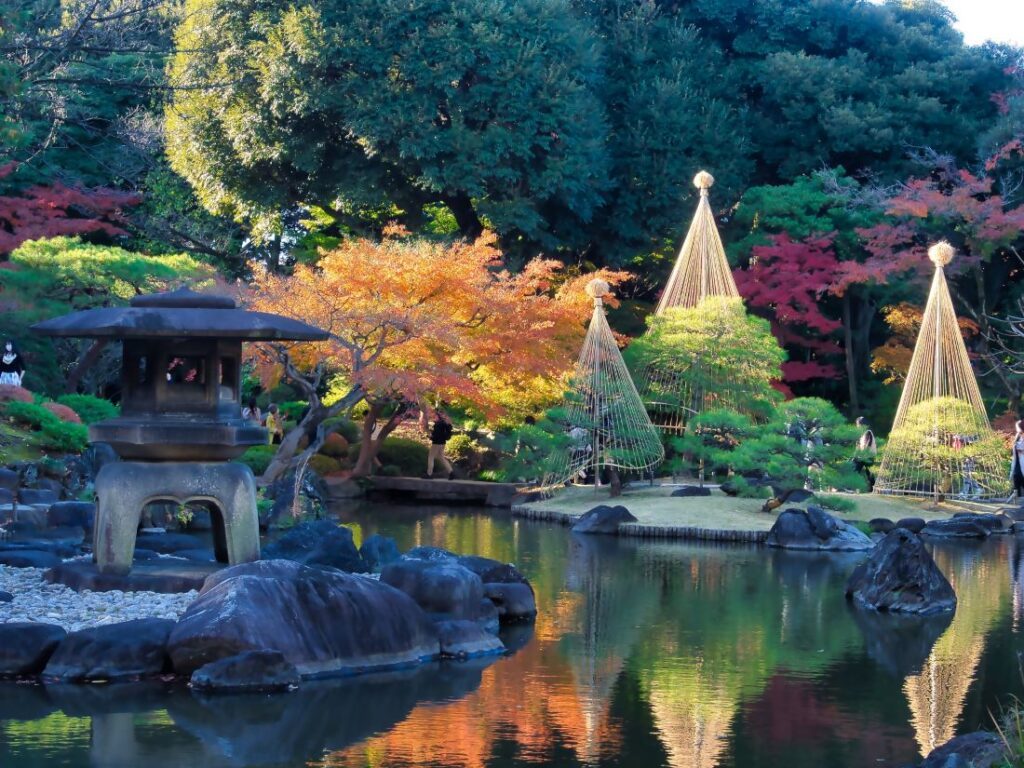
Image source: Kyū Furukawa Gardens
Let’s explore Kaminakazato with the BB Team!
Kaminakazato is a station on the JR Keihin-Tohoku Line, between Oji and Tabata. The area around the station is a quiet residential neighborhood, yet about a 7-minute walk away lies Kyu-Furukawa Gardens, one of the most beautiful gardens in Tokyo. Yes, really!
Roses bloom in front of a Western-style mansion, and down the slope a Japanese garden spreads out around a pond. Honestly, few gardens in Tokyo let you enjoy Japanese and Western scenery at once. Admission is just ¥150, and you can spend a calm few hours far from the crowds of central Tokyo’s big sights.
Kyu-Furukawa Gardens: mansion, rose garden and Japanese garden
So what makes it special? Kyu-Furukawa is a Tokyo metropolitan garden designated a National Place of Scenic Beauty, and in 2026 it marks 70 years since it opened to the public. The garden follows the slope: from top to bottom you pass the mansion, the Western-style garden and the Japanese garden (Tokyo Metropolitan Government).
- Western-style mansion: designed by the British architect Josiah Conder, who also designed the Rokumeikan and Nikolai-do Cathedral, and completed in 1917. Its solid stone exterior looks like a painting from anywhere in the garden, so have your camera ready!
- Western-style garden (rose garden): about 200 rose bushes of around 100 varieties grow on the slope in front of the mansion.
- Japanese garden: the work of the renowned Kyoto garden-maker Ogawa Jihei VII (Ueji). A waterfall and stone lanterns are arranged around a pond shaped like the character for “heart” (心, shinji-ike).
The garden has a fascinating history, too. The site was once the residence of Meiji-era statesman Mutsu Munemitsu and later passed to the Furukawa family of the Furukawa zaibatsu. Because it preserves the original form of an early Taisho-era garden so well, it was designated a National Place of Scenic Beauty in 2006 (Tokyo Metropolitan Park Association).
Basic information
| Item | Details |
|---|---|
| Hours | 9:00–17:00 (last entry 16:30) |
| Closed | Dec 29 – Jan 1 |
| Admission | Adults ¥150, 65 and over ¥70. Free for elementary-school age and under, and for junior-high students living or studying in Tokyo |
| Free-admission days | May 4 (Greenery Day), October 1 (Tokyo Citizens’ Day) |
| Garden guide | Sat, Sun and holidays at 11:00 and 14:00, about 60 min, free (suspended in July and August) |
| Address | 1-27-39 Nishigahara, Kita-ku, Tokyo |
| Parking | None |
Sources: Tokyo Metropolitan Government, “About Kyu-Furukawa Gardens”, Bureau of Construction leaflet, Tokyo Metropolitan Park Association. Mansion interior tours (separate fee, advance application as a rule) and the tea room have their own schedules; be sure to check the official site for the latest.
When to go: rose festivals and seasonal highlights
Wondering when to go? The best time is during the twice-yearly rose festivals. The 2026 Autumn Rose Festival runs from October 10 to November 6 (Tokyo Metropolitan Government).
| When | Highlights |
|---|---|
| May–June | Spring Rose Festival, when the roses are at their most spectacular (April 29 – June 30 in 2026) |
| October – early November | Autumn Rose Festival. Autumn roses have deeper colors and a stronger scent |
| Late November – early December | Autumn roses usually bloom into early December, alongside the autumn leaves in the Japanese garden |
| December–February | “Yukitsuri” rope supports on the pine trees in the Japanese garden, a classic winter sight |
Besides the roses themselves, the festivals bring concerts among the roses, the “Rose Garden Market” stalls, and “Niwa Sanpo” early-morning walks to enjoy the roses’ fragrance. With the “Kyu-Furukawa Bara Colle” smartphone app, you can collect your rose photos by variety. It’s a lot of fun!
On top of that, in 2026 there is also a commemorative digital stamp rally, “Wa to Yō no Niwa Meguri Chō,” running until December 28. Just bring your smartphone to take part.
In winter the garden usually closes in the afternoon on about three days between December and February for maintenance (this winter: December 14, January 18 and February 15). If you are visiting in winter, check the official site first.
Nearby spots
After the garden, if you still have time, there’s plenty more to see nearby.
- Hiratsuka Shrine: about a 2-minute walk from Kaminakazato Station, an easy stop on the way to the garden. Its quiet grounds give a feel for a shrine rooted in local life.
- Rikugien: an Edo-period daimyo garden near Komagome Station, about 18 minutes on foot from Kyu-Furukawa to its main gate (Bureau of Construction). The Somei Gate on the Komagome Station side (about 13 minutes) opens only on limited days, such as the cherry-blossom, azalea and autumn-leaf seasons. Visiting both gardens in one day is a classic route, and well worth it!
- Asukayama Park (Oji): one stop from Kaminakazato, right by Oji Station. It is known for spring cherry blossoms and early-summer hydrangeas, and the free “Askargo” monorail takes you up the hill.
- Jujo Ginza shopping street: a little further on from Oji is a traditional shopping street where you can snack your way through the delis.
Access and a suggested route
Getting there is easy: you can walk to Kyu-Furukawa Gardens from three stations (Tokyo Metropolitan Government).
| Station | Line | Walk |
|---|---|---|
| Kaminakazato | JR Keihin-Tohoku Line | about 7 min |
| Nishigahara (Exit 1) | Tokyo Metro Namboku Line | about 7 min |
| Komagome (North Exit) | JR Yamanote Line, Tokyo Metro Namboku Line | about 12 min |
Daytime Keihin-Tohoku Line Rapid trains do not stop at Kaminakazato, so take a Local train. The Kita City community bus stop “Kyu-Furukawa Teien” is right by the garden, but routes and times differ on weekdays and holidays.
To make planning easy, here’s a route we love.
Suggested half-day route (about 3–4 hours)
- From Kaminakazato Station, visit Hiratsuka Shrine (about 15 min)
- Head to Kyu-Furukawa Gardens. See the mansion and rose garden, then walk down to loop the Japanese garden (1 to 1.5 hours)
- Walk south along Hongo-dori to Rikugien’s main gate (about 18 min; about 13 min when the Somei Gate is open)
- Stroll around Rikugien (about 1 hour)
- Take the Yamanote Line from Komagome toward Ikebukuro or Ueno
Right after the 9:00 opening the garden is quiet and the roses smell strongest. If you want great photos, come in the morning!
Staying in Kaminakazato
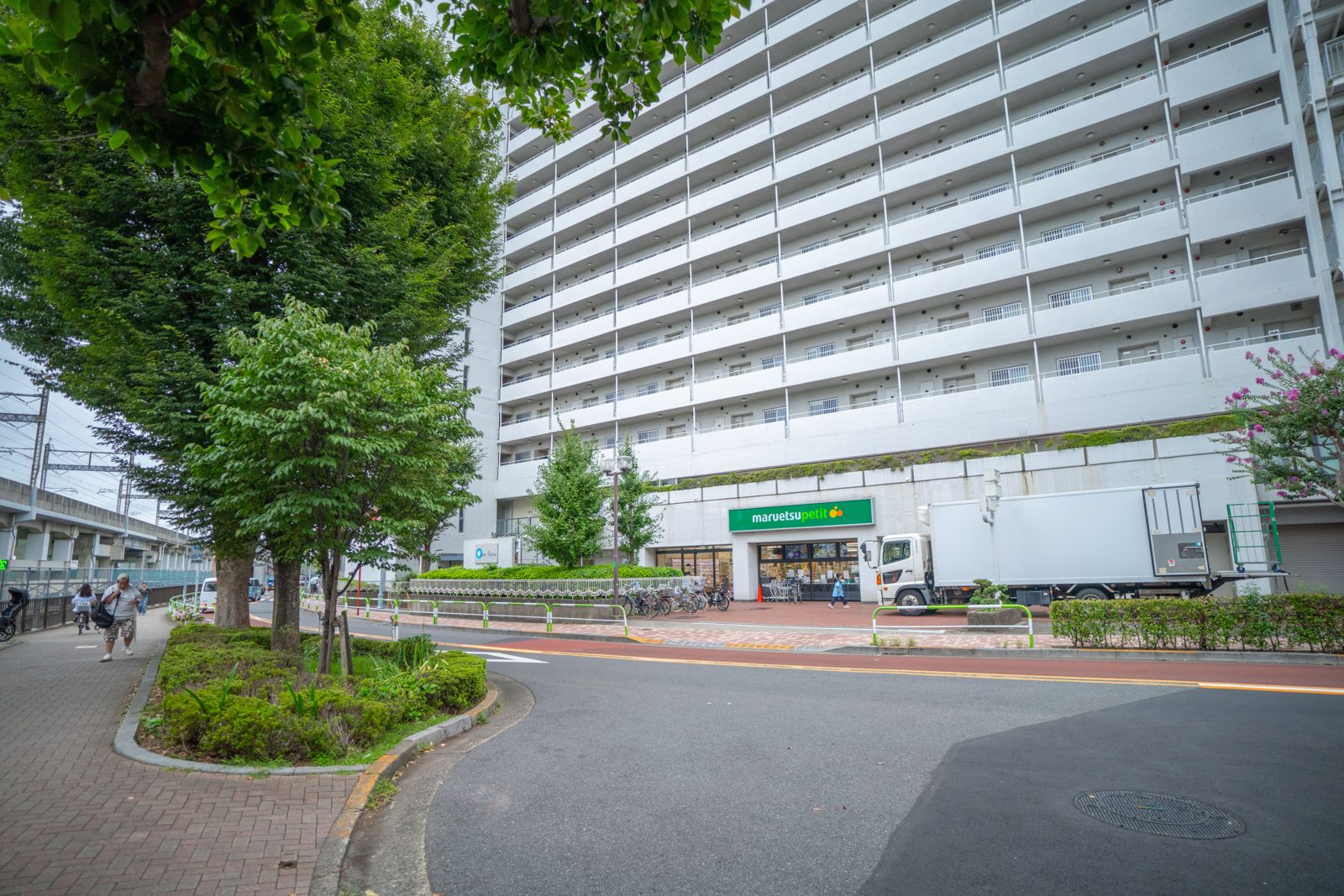
Want to be close enough for an early-morning stroll among the roses? Sunny House, a whole house managed by BB, is in Kita-ku, about a 4-minute walk from JR Kaminakazato Station, so the garden is within walking distance. You can book directly on the official site.
References
- Kyu-Furukawa Gardens Autumn Rose Festival (Tokyo Metropolitan Government press release, Aug 19, 2026, Japanese)
- “About Kyu-Furukawa Gardens” (Tokyo Metropolitan Government, Sept 2026, Japanese)
- Kyu-Furukawa Gardens leaflet (Bureau of Construction, Japanese)
- 2026 Spring Rose Festival (Tokyo Metropolitan Government press release, Mar 18, 2026, Japanese)
- Kyu-Furukawa Gardens official site (Tokyo Metropolitan Park Association)
- Rikugien FAQ: Somei Gate opening periods (Tokyo Metropolitan Park Association)
Author
BB Team